It’s Not Fair – Why so Many Caregivers Sacrifice Everything
Click here for the TL;DR
Many caregivers fall into the Fairness Trap—a subconscious misapprehension that life is fundamentally fair. So when life is unfair to their loved one, they respond by acting as if they themselves do not deserve to be healthy, rested, or happy. Well-meaning praise like “You’re a saint” only reinforces this dangerous cycle of martyrdom. To prevent caregiver burnout, society must stop rewarding extreme self-sacrifice and start actively encouraging boundaries, help, and self-care.
When I spoke on a panel a few weeks ago sponsored by AARP and CHC: Creating Healthier Communities, I was asked what one thing I wish would change for caregivers. My answer: get rid of our culture of self-sacrifice.
People take on a caregiving role for one of three reasons:
1. They feel they have no choice. Although everyone always has a choice, there are sometimes legal or financial entanglements, or realities of life, that make some choices untenable.
2. It’s a labor of love. A lot of good people see someone suffering and simply want to help. Or, they feel a deep love for the person and see it as an honor to care for them.
3. They are driven to martyrdom. Some people take on caregiving to show the world how noble they are to sacrifice themselves for someone else.
In my experience, the vast majority of caregivers take on the caregiving role because they are inspired to help. Very few are driven by self-sacrifice as their primary motivator. “I want to lose my job, get sick, and be exhausted” is rarely what people say when asked, “Why do you do it?”
And yet, we as a society insist on treating caregivers like martyrs. We need to stop it.
Society Loves a Martyr – How Praise Drives Self-Sacrifice
I’ve talked with hundreds of caregivers. Plenty of families weather caregiving well, without sacrificing careers, health, or relationships. One interesting trend I’ve noticed is that many of them say how lucky they were. Things just seemed to fall into place. Everyone did their share.
I contend that it wasn’t all luck. Although luck certainly plays a role in life, those families had a positive mindset, a healthy relationship with reality, and a tendency toward balance.
The more common story, sadly, is that of the primary caregiver who ends up sacrificing their career, falling into poor health, and becoming estranged from their family because the caregiving role just eats them alive.
These people often use phrases like labor of love, it’s what you do for family, I’m trying to honor their wishes, I’m doing my part, and even if I don’t do it, who will?
The rest of us reinforce those beliefs by praising their sacrifice.
I could never do what you did. You are such a dedicated daughter. I can’t believe how strong you are. You are just filled with love. You’re a saint! They are so lucky to have you. I don’t know how you do it all.
And on and on and on, in all different flavors. We don’t think we’re praising self-sacrifice, but that is the message. And it’s crystal clear.
I think we do that because we feel powerless to do anything other than try to support through acknowledgment.
And yet, that kind of language reinforces the belief that self-sacrifice is not just virtuous but necessary in a caregiver role. And neither is true.

Reward self-sacrifice: no.
The Fairness Trap
Caregivers often fall into what I call the Fairness Trap. That’s the idea that even though we all know life is not fair, we really really really want to believe it is. And we’ll do anything to make it seem fair.
I could go into all the ways we look for something to blame when bad things happen, but I wrote about that a month ago, and that’s a different topic.
The Fairness Trap happens when the caregiver is trying to hold on to the belief that life is inherently fair. Every day, however, they’re bludgeoned by the reality that the person they’re caring for is afflicted by something dreadful.
The Fairness Trap suggests that every person deserves to have the same quality of life.
The aging parent with dementia deserves to have every day filled with as much joy and as little discomfort as their caregiver does. The spouse with cancer deserves to feel as much hope for the future as their caregiver does.
These are admirable aspirations, but the Fairness Trap pushes us to believe they are not simply aspirations. They are mandates. And that’s where things go sideways.
Keeping the Scales Balanced
In the Fairness Trap, everyone is equally entitled to the same quality of life.
The caregiver starts out trying to improve their loved one’s quality of life at a level equal to their own. But their loved one is afflicted with something bad enough that they need the care of someone else just to make it through the day.
This isn’t anyone’s fault. It’s just the reality of the situation. One person had some really shitty luck to find themselves in the condition they’re in. Parkinson’s, ALS, cancer, Alzheimer’s, a traumatic injury… they have it hard.
The caregiver eases some of their loved one’s problems and may even make their day better. But the caregiver can’t erase the underlying condition. Their loved one is still afflicted.
The situation is—and always will be—unfair.
So the caregiver works harder and harder to try to bring things back into the balance that they think existed before the affliction. Because, after all, if we live in a world that is inherently fair and all people deserve the same quality of life, then the unfairness itself—the imbalance in the natural order of things—is now the caregiver’s primary concern.
Their mental calculation turns from my loved one does not deserve to be sick to I do not deserve to be healthy while my loved one is sick.
In the worst cases, the Fairness Trap goes even further into my loved one deserves for me to be as sick as they are.
To be clear, the caregiver never thinks these thoughts consciously, but their behaviors reflect this attitude. Thus, they slide farther and farther into poor health, pull back from their career, and allow family relationships to degrade into conflict.
The Remedy: Let’s All Stop Rewarding Martyrdom
The main remedy available to us is to stop socially rewarding the martyrdom.
I once asked a caregiver I know personally, “Why does your person deserve a better quality of life than you?” It was a genuine question, asked in the flow of conversation, but it had a profound effect on this person. Weeks later, she told me it had completely changed how she thought about some of the decisions she and the rest of the family were making, and how she thought about her goals as a caregiver.
It’s a subtle shift in how we interact with people who are exhausted and overwhelmed by caregiving. Don’t get me wrong—it is exhausting and overwhelming. But we don’t have to stop at those aspects of it when acknowledging a caregiver’s efforts. And we absolutely should not be dragging them down into feelings of victimhood if they are doing just fine.
Let’s not have conversations like this:
“How are you getting along?”
“I’m doing okay.”
“It must be so hard. You must be exhausted. I could never do what you’re doing. They’re lucky to have you! How do you get it all done?”
“Now that you mention it, I am kind of tired…”
The social reward for self-sacrifice is powerful. The caregiver started off okay, but in the space of a few seconds, they began to feel guilt for being okay. So they questioned how they thought they felt, and the guilt coupled with the other person’s social reward created a whole new experience of difficulty and exhaustion that wasn’t there just moments before.
Let’s not do that to people. It feels like being supportive, but it’s actually dragging them down.
Instead, imagine this conversation:
“How are you getting along?”
“I’m doing okay.”
“Wow, I really admire how you’re handling this. It sure is complicated. Good thing you can stay centered! If I ever have to go through something like this, I’ll definitely be learning from you. So, what went well this week?”
Now you’ve rewarded them for being okay. Even better, you’re helping them turn the light up on the good things that happened. And you’re finishing with an acknowledgment that you, too, may someday find yourself in their position. And when you do, you hope you’ll be able to say “I’m doing okay,” too.
Nothing has changed in the reality of the person’s situation. This is how you help people shape that reality in either negative or positive directions. It can be more nuanced and context-driven than this simple example, of course, but it doesn’t have to be.
It’s possible to admire someone’s effort and acknowledge their work without turning it into praise for a superhero level of martyrdom. Instead, help them shine the light on what is good right now. This might include
- Give people permission to create and hold boundaries.
- Encourage them to ask for and receive help.
- Help them to see others as their allies, not their opponents.
- Encourage them to see clearly what they can control, what they can influence, and what is entirely out of their hands.
- Take them out for a walk and encourage them to be physically active a little bit every day.
- Bring them a potted plant if they can’t get out into nature.
And share this post with them, ideally before they get caught in the Fairness Trap themselves.
Lift up someone today
Who in your life who is running themselves ragged trying to keep the scales balanced? Share this article with them to give them permission to re-imagine their goals and what balance really means. Everyone could use a neutral, grounded, wise mentor to help them through things, so also send them my way for a chat. Sometimes that one call can make all the difference.
Other Things to Do
Download a free chapter from one of my books. Or, book some time to talk with me yourself.
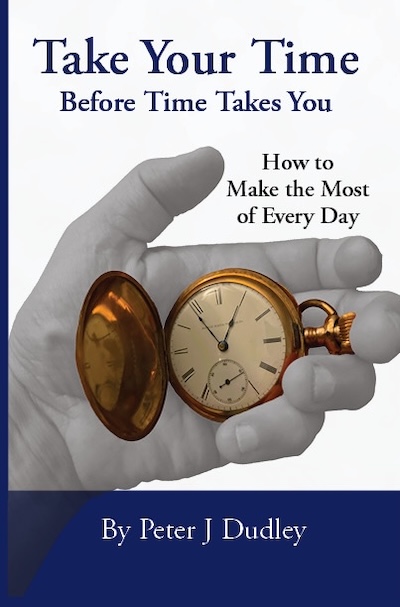
With Take Your Time Before Time Takes You, learn to make the most of every day through thought-provoking exercises and perspective-twisting stories. Get it now in paperback or ebook, or download the introduction now for free.
“It changed my life.” – TP, client
“A go-to guide for people who want to improve their lives but don’t know where to start.” – MJ, earlier reviewer

RELIT: How to Rekindle Yourself in the Darkness of Compassion Fatigue gives practical, actionable advice on avoiding and overcoming compassion fatigue and caregiver burnout. My chapter explains how I stay centered and focused so I can give every client my best, every time.
Download my chapter for free: Show up. Try hard. Be nice.
Or just go buy the whole book. It’s worth it.




1 Comment
Four Ways to be Heroic in a Caregiving Support Role - Gray Bear Coaching LLC · August 10, 2026 at 1:30 pm
[…] the visible heroes in every story. We describe them as extraordinary for their courage, their self-sacrifice, and their dedication to the […]
Comments are closed.